Confidence in Every Weld. Integrity in Every Pipeline.

Inspection Services

Practical inspection and non-destructive testing services for pipelines, industrial facilities and critical assets across Kenya and East Africa. We carry-out Inspection Services in collaboration with Technique Inspection et Contrôle E.A Ltd (TIC GROUP)

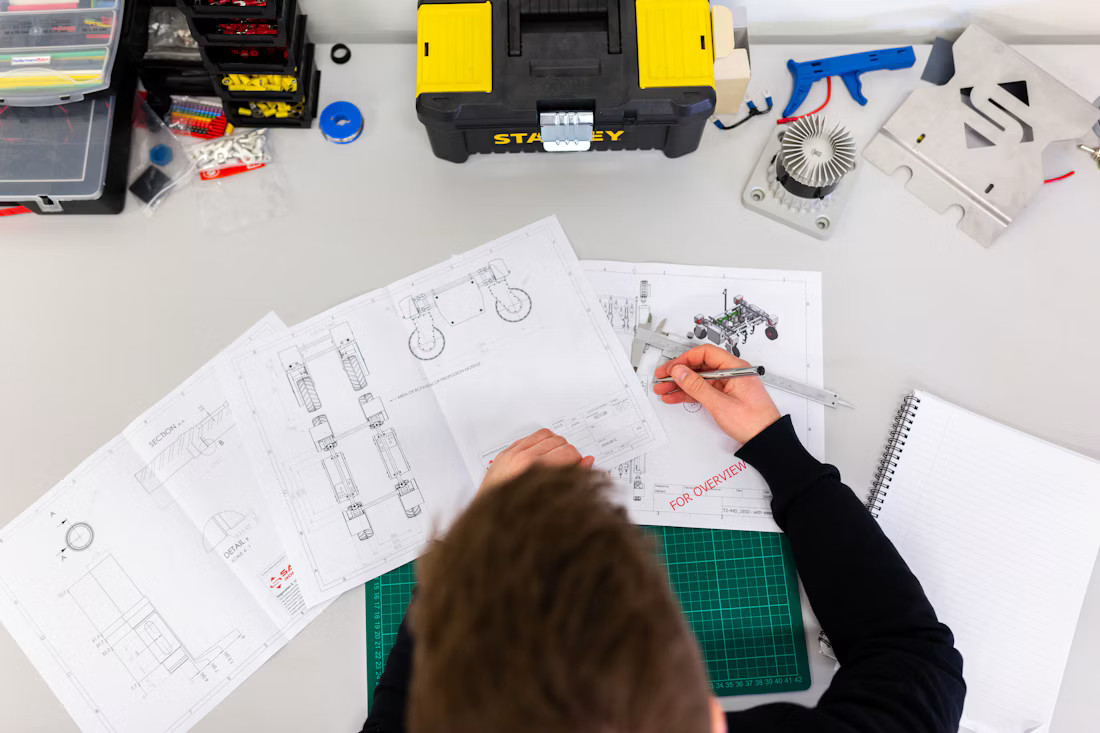
Industrial engineer working with technical inspection equipment
Inspection with purpose

Inspection that helps you make better asset decisions

Industrial assets need more than a visual check. Reliable inspection requires the right testing method, competent personnel, appropriate procedures and findings that engineers and maintenance teams can act on.

Our proposed service offering brings together non-destructive testing, pipeline inspection, welding quality checks, corrosion assessment and technical reporting to support safer, better-informed maintenance and project decisions.

  • Inspection planning based on your scope and risks
  • Testing methods suited to the component and material
  • Findings documented against agreed acceptance criteria
  • Clear communication of limitations and follow-up actions
Our Services

Inspection solutions for critical infrastructure

From weld examination to pipeline maintenance support, choose inspection services that match your equipment, operating environment and project requirements.

Non-Destructive Testing (NDT)

Inspect welds, pipes and industrial components for discontinuities without unnecessarily damaging the material being examined.

  • Ultrasonic Testing (UT)
  • Radiographic Testing (RT)
  • Magnetic Particle Testing (MT)
  • Liquid Penetrant Testing (PT)
  • Visual Testing (VT)

Pipeline Inspection

Inspection support for pipeline construction, maintenance, repairs and integrity assessment across onshore pipeline systems.

  • Weld and joint inspection
  • Pipeline condition surveys
  • Defect identification and documentation
  • Inspection during maintenance

API Inspection & Integrity

Inspection and integrity-management support planned around the applicable codes, standards, asset conditions and client requirements.

  • Pipeline integrity planning
  • Risk-based inspection support
  • Inspection documentation
  • Corrective-action recommendations

Welding & Coating Inspection

Inspection support for welded joints, protective coatings and related work during construction and maintenance activities.

  • Weld visual examination
  • Welding quality documentation
  • Coating condition checks
  • Surface preparation inspection

Corrosion & Asset Assessment

Help identify deterioration mechanisms and document asset condition to inform maintenance priorities and engineering decisions.

  • Corrosion assessment support
  • Ultrasonic thickness measurements
  • Condition monitoring support
  • Inspection findings and recommendations

Inspection & Technical Reporting

Clear inspection records to help engineering and operations teams understand findings, review dispositions and plan corrective work.

  • Inspection reports
  • Weld and defect registers
  • Traceable inspection records
  • Corrective-action tracking

Confined-Space Robotic Inspection

Remote visual inspection using suitable robotic platforms and cameras to reduce unnecessary personnel entry into tanks, vessels and difficult-to-access industrial spaces.

Drone-Based NDT & Visual Inspection

Drone-assisted visual data collection for elevated and hard-to-reach assets, including boilers, stacks, cooling towers, penstocks and wind turbine blades.

Telecommunication Tower Inspection

Structural condition reviews and checks of tower components, installed equipment and relevant documentation against the project scope and applicable requirements.

API inspection standards

Standards-led inspection. Clear technical boundaries.

Different assets require different codes, inspection intervals, acceptance criteria and competencies. Identify the equipment and applicable edition first, then define the appropriate inspection scope.

API RP 1160

Recommended practice for managing the integrity of hazardous liquid pipelines. Its principles can inform risk assessment, integrity planning and prioritisation of mitigation activities.

API 1169

A certification programme for pipeline construction inspectors focused on new onshore pipeline construction. It should not be confused with a general pipeline maintenance certification.

API 570 (Piping Inspection Code)

Covers the inspection, rating, repair, and alteration of in-service metallic piping systems. It outlines how to calculate remaining piping life and minimum thickness

API 653(Above ground Storage Tank Inspector)

Inspection, repair, alteration and reconstruction requirements for applicable in-service steel storage tanks.

API 510 (Pressure Vessel Inspection Code)

In-service inspection, rating, repair and alteration requirements for pressure vessels within the standard’s scope.

API Std 650

API Std 650 is the global industry standard published by the American Petroleum Institute that sets minimum requirements for the material, design, fabrication, erection, and inspection of vertical, cylindrical, aboveground, welded storage

API Std 610 (Centrifugal Pumps)

API Std 610 is the American Petroleum Institute (API) standard that specifies the mechanical, design, and testing requirements for centrifugal pumps used in the petroleum, petrochemical, and natural gas industries (including hydraulic power recovery turbines)

API Std 1104 (Pipeline Welding)

API Std 1104 (Standard for Welding Pipelines and Related Facilities) is the primary global standard published by the American Petroleum Institute for gas and arc welding on oil, gas, petroleum, and carbon dioxide pipelines

API Std 620 (Large Welded Low-Pressure Tanks)

API Std 620 is the American Petroleum Institute standard for the design and construction of large, field-assembled, welded, low-pressure storage tanks.

API STD 6A(Wellhead & Christmas Tree Equipment)

API Specification 6A (published by the American Petroleum Institute) is the global industry standard for the design, manufacture, testing, and documentation of wellhead and Christmas tree equipment used in the oil and gas sector

Oilfield equipment

Wellhead and Christmas tree equipment

API Specification 6A applies to specified wellhead and Christmas tree equipment used in the oil and gas sector. Inspection scope depends on the equipment, service conditions, applicable specification and required testing.

Core Scope and Equipment Covered

  • Wellhead housings
  • Casing hangers
  • Tubing hangers
  • Gate valves
  • Plug valves
  • Ball valves
  • Check valves
  • Chokes
  • Actuators
  • Surface safety valves (SSV)
  • Underwater safety valves (USV)
  • Boarding shutdown valves (BSDV)
  • Tees and crosses
  • Adapter spools
Remote visual inspection

Inspect hard-to-reach spaces without sending people in unnecessarily

Confined-space robotic inspection uses suitable cameras and robotic platforms to collect visual information from selected tanks, vessels, ducts and other industrial spaces. The approach can reduce exposure to confined-space hazards and work at height when the technology is appropriate for the task.

  • Remote visual surveys of suitable enclosed or restricted areas.
  • Image and video capture to support asset condition reviews.
  • Potential reduction in access equipment, entry requirements and operational disruption.
  • Review of findings by appropriately qualified personnel where required by the inspection scope.
Remote visual inspection
Aerial inspection technology

Drone inspection solutions for power plants and industrial facilities

Power generation and process assets experience demanding operating conditions and require planned inspection. Drone-assisted visual surveys can help teams collect information from selected elevated or difficult-to-access locations, subject to operating, safety and site requirements.

Boiler Inspections

Assess accessible internal and external surfaces, subject to operating conditions and inspection requirements.

HRSG Inspections

Collect visual data from suitable heat recovery steam generator areas.

Chimney & Stack Inspections

Review accessible surfaces and identify visible deterioration without automatically requiring full-height access.

API 653(Above ground Storage Tank Inspector)

Inspection, repair, alteration and reconstruction requirements for applicable in-service steel storage tanks.

Scrubber Inspections

Capture visual evidence from suitable scrubber and process equipment areas.

API Std 650

API Std 650 is the global industry standard published by the American Petroleum Institute that sets minimum requirements for the material, design, fabrication, erection, and inspection of vertical, cylindrical, aboveground, welded storage

Wind Turbine Inspections

Inspect accessible blade surfaces and other suitable components using drone-assisted imaging.

Penstock Inspections

Support visual assessment of accessible penstock sections and associated structures.

Cooling Tower Inspections

Review suitable structural areas and components in challenging elevated environments.

Condenser Inspections

Collect visual data from suitable accessible areas; specialist testing may be needed for internal tubes and other concealed surfaces.

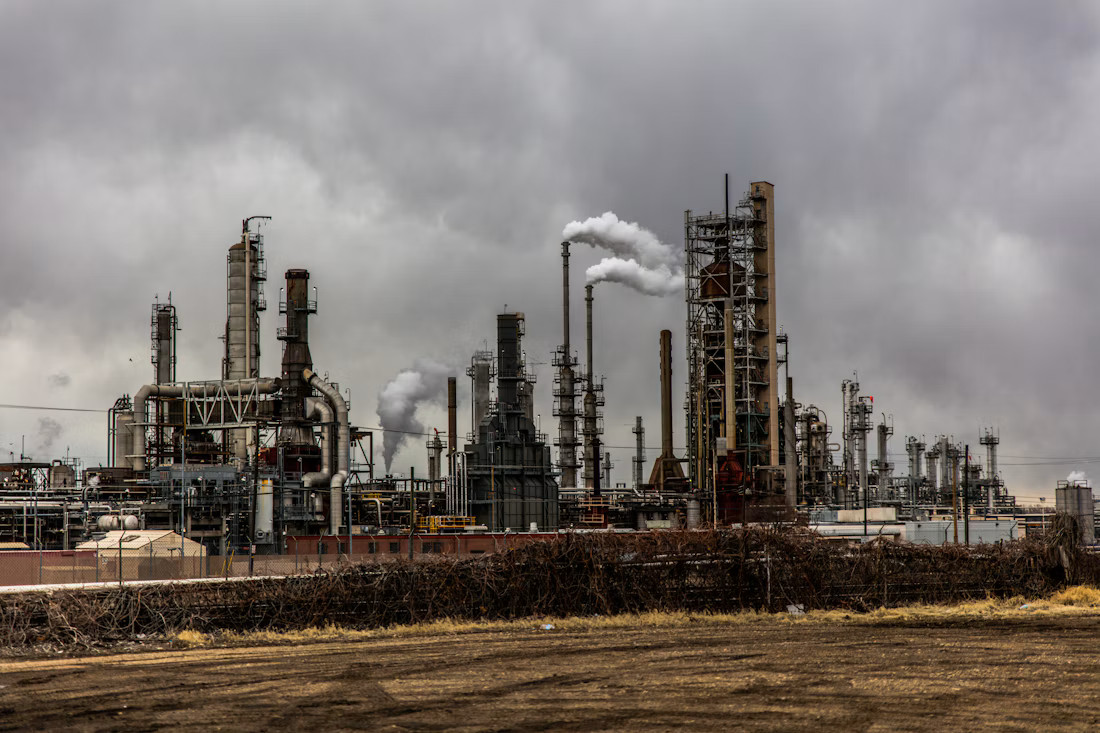
Industrial energy infrastructure and pipeline facility
Pipeline Maintenance

Protect pipeline integrity throughout its service life

Pipeline integrity management is an ongoing process. Inspection findings, operating conditions, corrosion threats, previous repairs and consequence of failure all help determine where maintenance attention is needed.

We support pipeline owners and contractors with inspection activities and documented findings that can inform engineering review, maintenance planning and follow-up assessments.

  • Pipeline and weld inspection during planned work
  • Corrosion and wall-thickness assessment support
  • Inspection findings and defect documentation
  • Support for prioritising further examination or repair
  • Inspection records for maintenance history and traceability
Telecommunications infrastructure

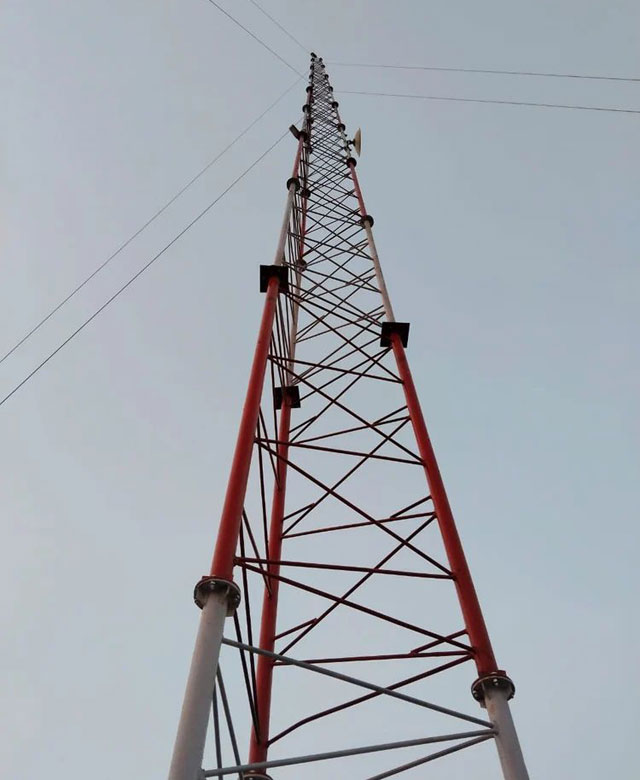
Telecommunication tower inspection

Tower inspections help owners review structural condition, visible damage, installed equipment, connections and relevant records. The inspection scope should reflect tower design, loading, environment, maintenance history and applicable regulatory or contractual requirements.

  • Visible structural condition and deterioration review.
  • Review of antennas, cables, mounts and other installed equipment.
  • Documentation and checks against the applicable tower design and inspection requirements.
  • Support for prioritising further examination or repair
  • Consideration of relevant standards, including ANSI/TIA-222 where applicable to the project.
Telecommunication tower inspection
Industries We Serve

Inspection support where asset reliability matters

Service availability depends on the project scope, equipment, personnel qualifications and site requirements.

Oil, Gas & Pipelines Pipeline construction, maintenance and integrity-related inspection.
Petroleum Storage & Terminals Inspection support for storage facilities, tanks, piping and associated equipment.
Manufacturing & Fabrication Weld quality, fabrication checks and component examination.
Power & Utilities Inspection support for plant equipment, piping and related infrastructure.
Construction & Engineering Quality assurance support during installation, welding and commissioning activities.
Industrial Maintenance Condition assessment and inspection support during shutdowns and planned maintenance.